
Witnesses from the Field
We are Nadi and Patrick —divers, sailors, and conservation-minded citizens— who spend much of our time underwater in the Caribbean. Over years of diving, we repeatedly witnessed the same pattern: invasive lionfish becoming more common, while native reef fish grew noticeably scarcer.
These observations were not isolated. They appeared across sites and over time, pointing to a broader ecological imbalance. Turn The Tide (TTT) emerged from this firsthand experience, and from the decision to act on what we were witnessing by combining direct lionfish removal with documentation, collaboration, and transparency.
We are not distant observers of this issue. We encounter it dive after dive, and TTT exists as a direct response to that reality.
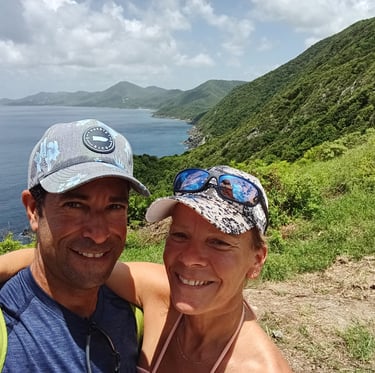
Years of underwater observation leave no room for indifference
From the Water, Not an Office
Turn The Tide (TTT) reflects who we are and the choices that shape our lives today.
We are long-time divers and liveaboard sailors who chose to reorganize our lives around the sea.
I have been diving for over 20 years, exclusively in the Caribbean. Over time, I developed strong underwater navigation skills, allowing us to survey sites methodically and cover reef areas in a structured and repeatable way rather than randomly.
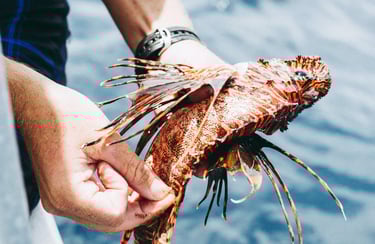
Patrick was introduced to scuba diving eight years ago. Since then, he has become a highly skilled diver and lionfish hunter. After nearly 4,000 removals, his approach is precise, efficient, and responsible. Each fish is dispatched immediately upon capture to minimize suffering. For us, lionfish control is not sport—it is intervention carried out with care.
We are recreationally certified divers, but deeply committed to solid technique: neutral buoyancy, no contact with the reef, no fin kicks on the bottom, and calm, deliberate movements. Underwater, our roles are complementary. Patrick hunts. I spot, navigate, and document. This allows us to work efficiently while remaining attentive to the surrounding ecosystem.
Life at sea was Patrick’s long-standing dream. I had never sailed before this journey, but the possibility of diving regularly made it a challenge worth embracing.
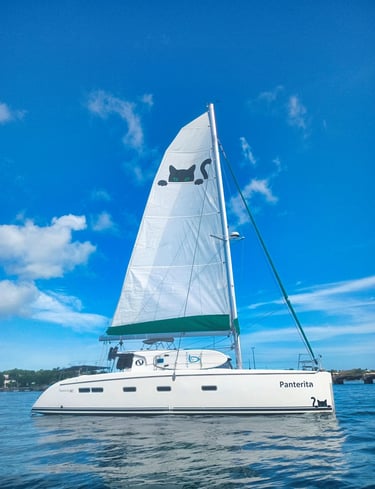
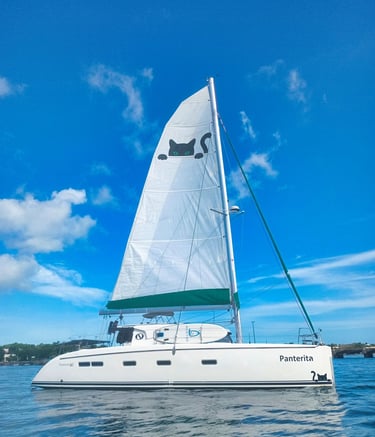
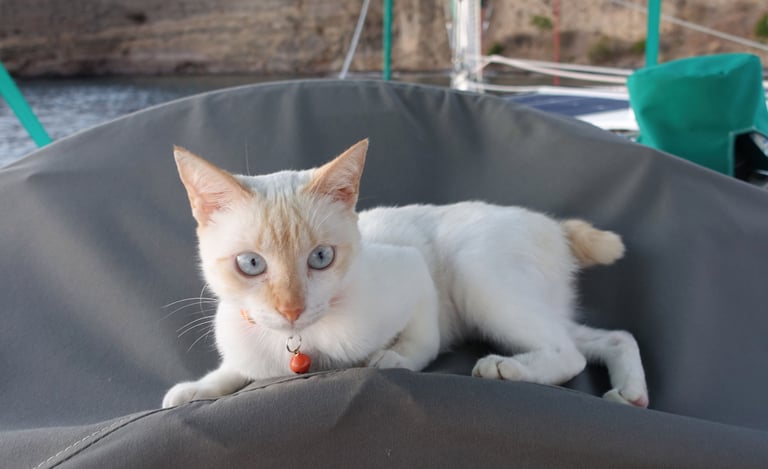
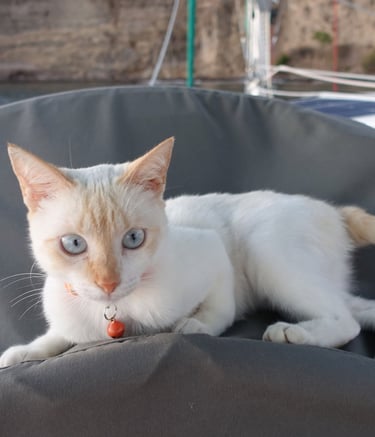
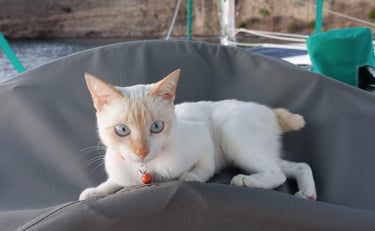
In November 2023, we sold everything in Canada and moved aboard Panterita, our solar- and wind-powered catamaran. Purchased and refitted in Puerto Rico, she has carried us down the Caribbean island chain. Our crew also includes Pookie, a former street kitten from Guadeloupe who quickly made herself at home and developed a clear fondness for lionfish.
TTT is currently driven by Patrick and me, with the support of Patrick’s daughter, Amélie, who is based in Montreal.
From the beginning, our goal has been to grow beyond ourselves by connecting everyone who cares about these ecosystems—community members, biologists, decision-makers, and supporters alike.
How We Work
Consistency, care, and accountability guide our approach.
TTT is built around consistent, repeatable field work rather than isolated actions. We focus on:
doing fewer things well,
documenting what we do,
and adapting our approach as conditions change.
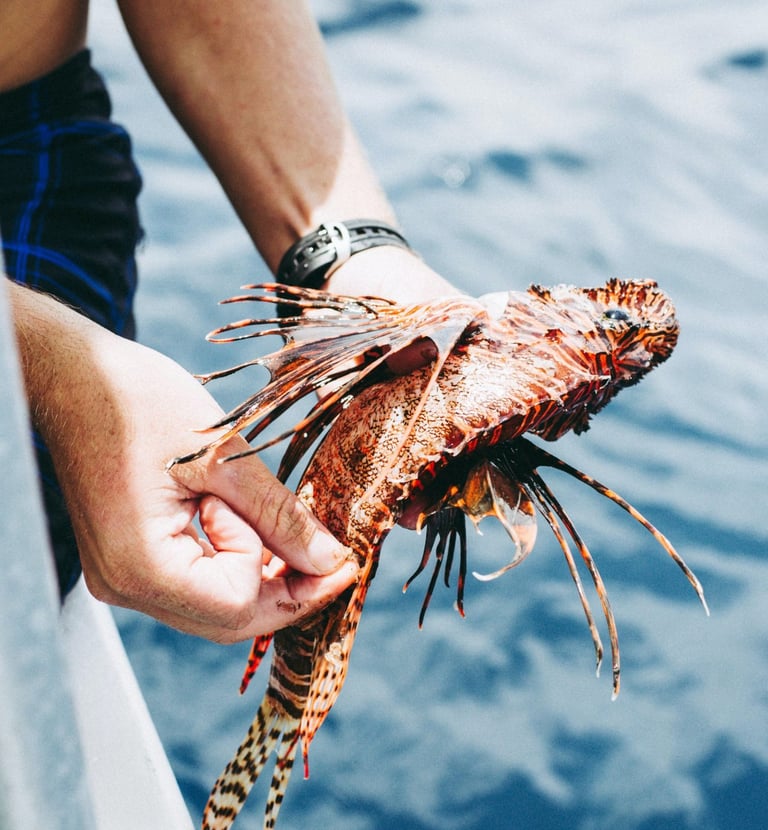
Lionfish removal is carried out with care and purpose. Where permitted and appropriate, culled lionfish are shared with local fishers, community members, or other boaters for consumption. Encouraging local use helps increase interest in continued control efforts and reduces waste.
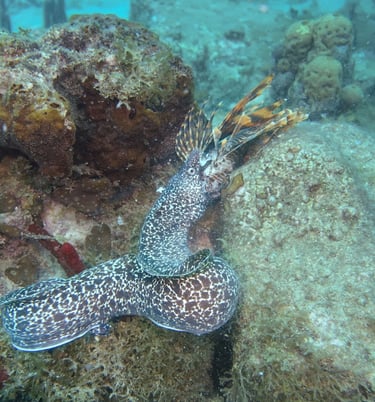
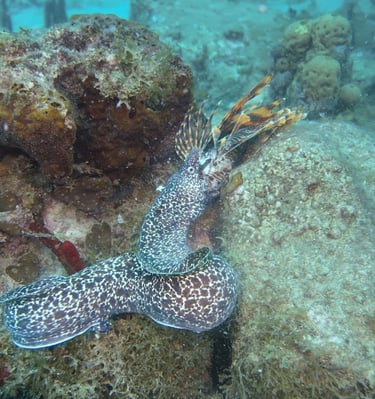
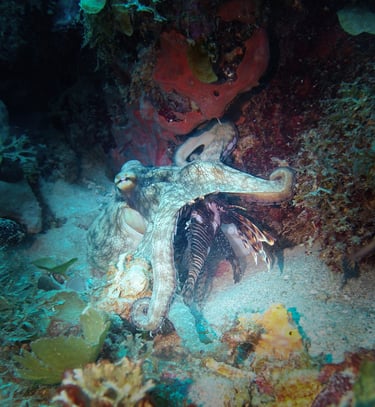
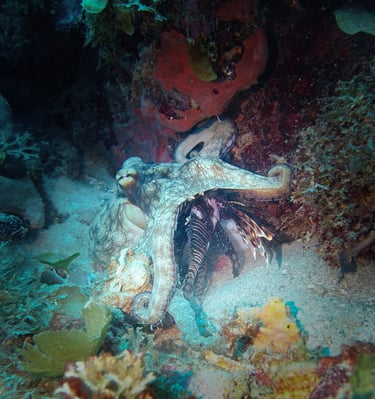
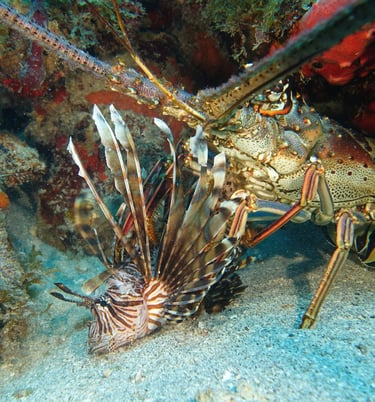
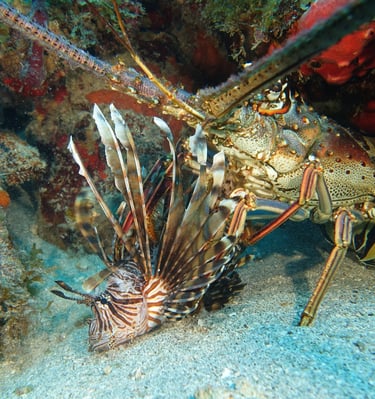
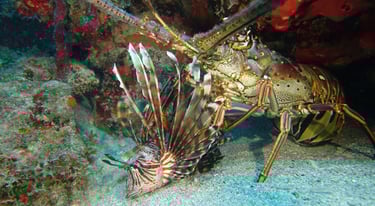
We also take an ecosystem-based approach underwater. When individuals are too small for consumption, they may be left on site, allowing natural reef scavengers such as morays, lobsters, and snappers to feed. This helps return nutrients to the ecosystem while minimizing unnecessary handling.
Our work is grounded in respect—for marine life, for local knowledge, and for the complexity of ecosystems. We aim to minimize disturbance, remain transparent about our methods, and acknowledge both the benefits and limits of lionfish control.
See how this approach translates into concrete results.
By staying lean, field-based, and collaborative, TTT aims to remain useful and credible to a wide range of partners, from local communities to scientists and institutions working on invasive species and marine conservation.
Witnesses from the Field
We are Nadi and Patrick —divers and sailors— who spend much of our time underwater in the Caribbean. Over years of diving, we repeatedly observed the same pattern: invasive lionfish becoming more common while native reef fish grew increasingly scarce.
Seen across sites and over time, this was not an isolated issue but a clear ecological imbalance. Turn The Tide (TTT) grew from this firsthand experience and from the decision to act, combining direct lionfish removal with documentation, collaboration, and transparency.
We are not distant observers. We encounter this reality dive after dive, and TTT exists as a direct response.
Years of underwater observation leave no room for indifference
From the Water, Not an Office
Turn The Tide (TTT) reflects who we are and the choices that shape our lives today.
We are long-time divers and liveaboard sailors who chose to organize our lives around the sea.
I have been diving in the Caribbean for over 20 years. Over time, I developed strong underwater navigation skills, allowing us to survey sites methodically and work reef areas in a structured, repeatable way.
Patrick began scuba diving eight years ago and has since become a highly skilled lionfish hunter. After nearly 4,000 removals, his approach is precise and responsible. Each fish is dispatched immediately to minimize suffering—this work is intervention, not sport.
We are recreationally certified divers, deeply committed to good technique: neutral buoyancy, no reef contact, and calm movements. Underwater, our roles are complementary—Patrick hunts, while I spot, navigate, and document—allowing us to work efficiently while respecting the ecosystem.
Life at sea was Patrick’s long-standing dream. I had never sailed before, but the idea of diving regularly made it a challenge worth taking on.
In November 2023, we sold everything in Canada and moved aboard Panterita, our solar- and wind-powered catamaran. After being purchased and refitted in Puerto Rico, she has carried us down the Caribbean island chain. Our crew also includes Pookie, a former street kitten from Guadeloupe who quickly adapted to life at sea—and developed a clear fondness for lionfish.
Today, TTT is driven by Patrick and me, with the support of Patrick’s daughter, Amélie, based in Montreal. From the start, our goal has been to grow beyond ourselves by connecting everyone who cares about these ecosystems—locals, scientists, decision-makers, and supporters alike.
Consistency, care, and accountability guide our approach.
TTT focuses on consistent, repeatable field work, not one-off actions. We prioritize doing fewer things well, documenting our work, and adapting as conditions change.
Lionfish removals are carried out with care and purpose. Where permitted, culled fish are shared locally for consumption, helping reduce waste and encourage continued control efforts.
See how this approach leads to real results
By staying lean, field-based, and collaborative, TTT works to remain credible and useful to local communities, researchers, and conservation partners.
How We Work
When individuals are too small for consumption, they may be left on site, allowing reef scavengers to feed and return nutrients to the ecosystem.
Our approach is grounded in respect—for marine life, local knowledge, and the limits of lionfish control.

© 2026 Turn The Tide Foundation Inc. (TTT), a 501(c)(3) public charity. Donations are tax-deductible to the extent permitted by U.S. law.
We work underwater to actively protect Caribbean reefs from invasive lionfish.
© 2026 Turn The Tide Foundation Inc. (TTT), a 501(c)(3) public charity. Donations are tax-deductible to the extent permitted by U.S. law.