Protecting Caribbean Reefs
TTT works to safeguard Caribbean marine ecosystems by actively controlling invasive lionfish and supporting the recovery of native reef species through local, hands-on action.
Our Mission
Why It Matters
We all depend on healthy oceans and ecosystems
We act today to secure marine life for future generations
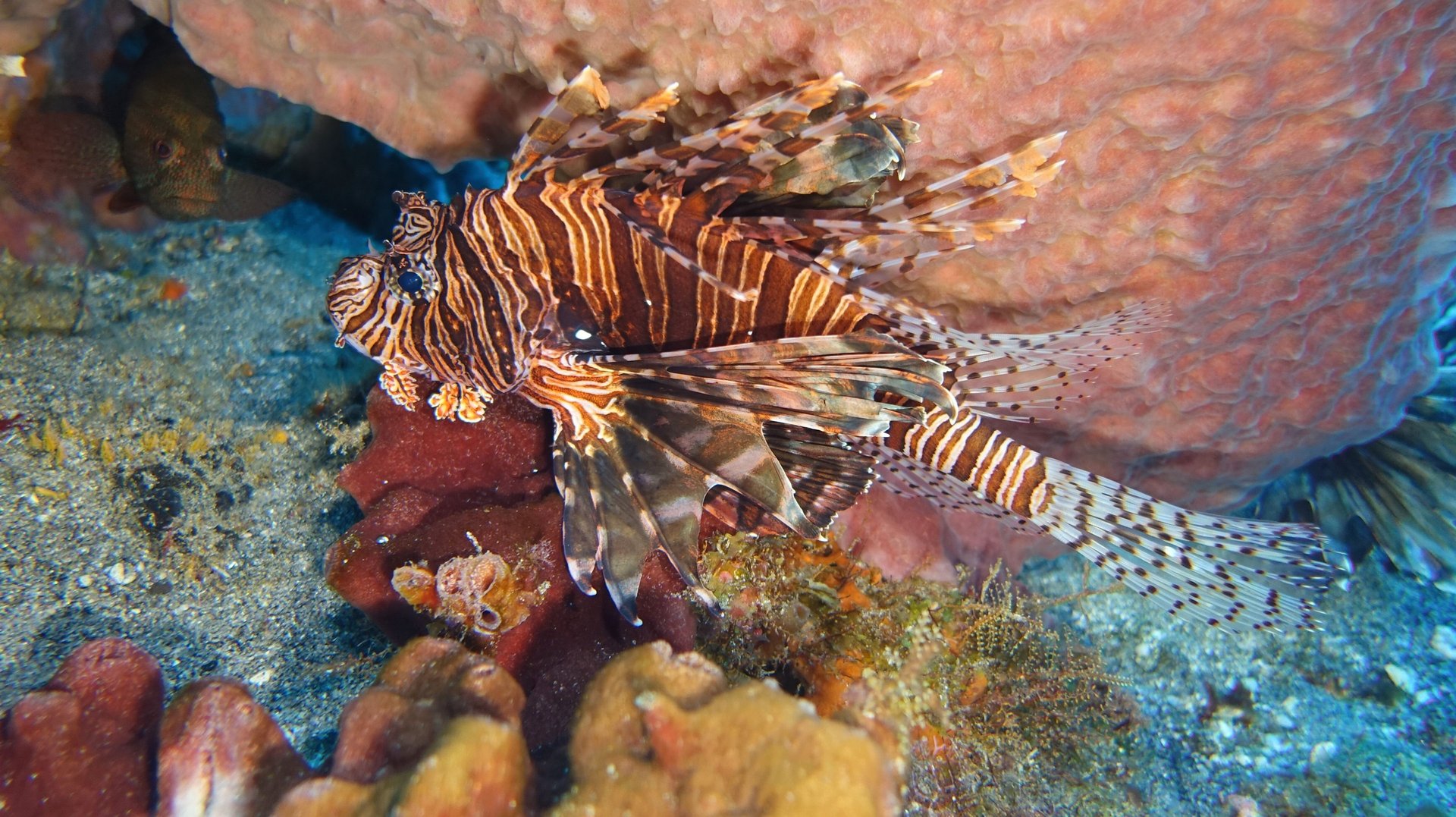
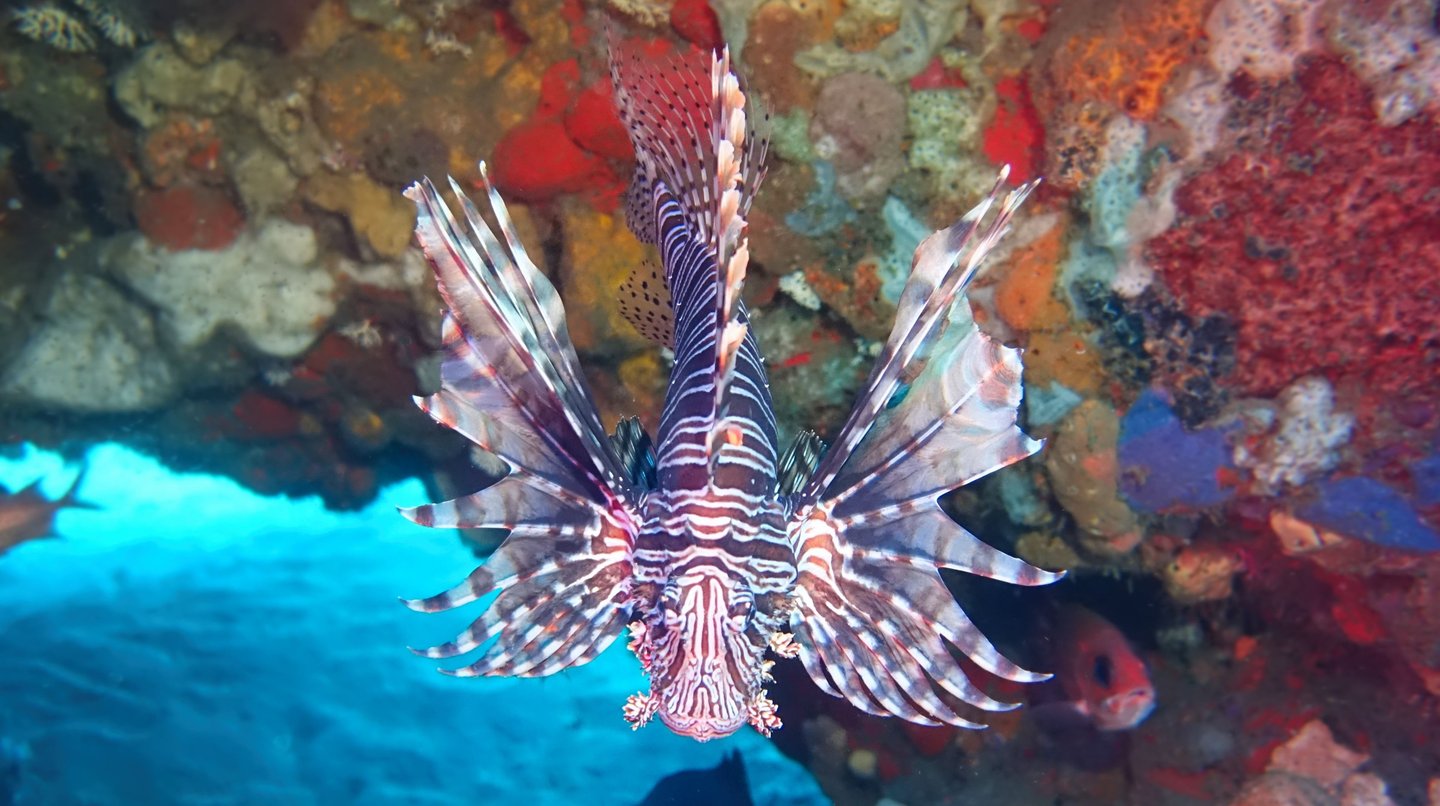
Lionfish have no natural predators in the Caribbean, reproduce rapidly, and heavily consume juvenile reef fish. Left unchecked, they disrupt ecosystems and threaten fisheries and livelihoods.
What We Do
We turn commitment into measurable actions
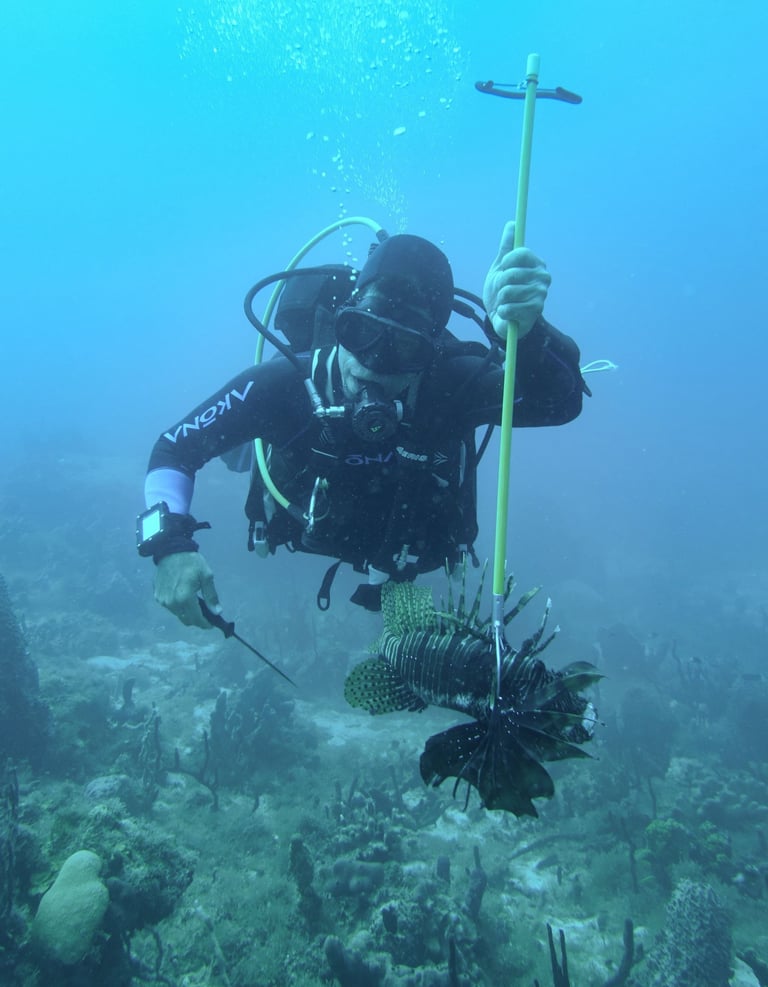
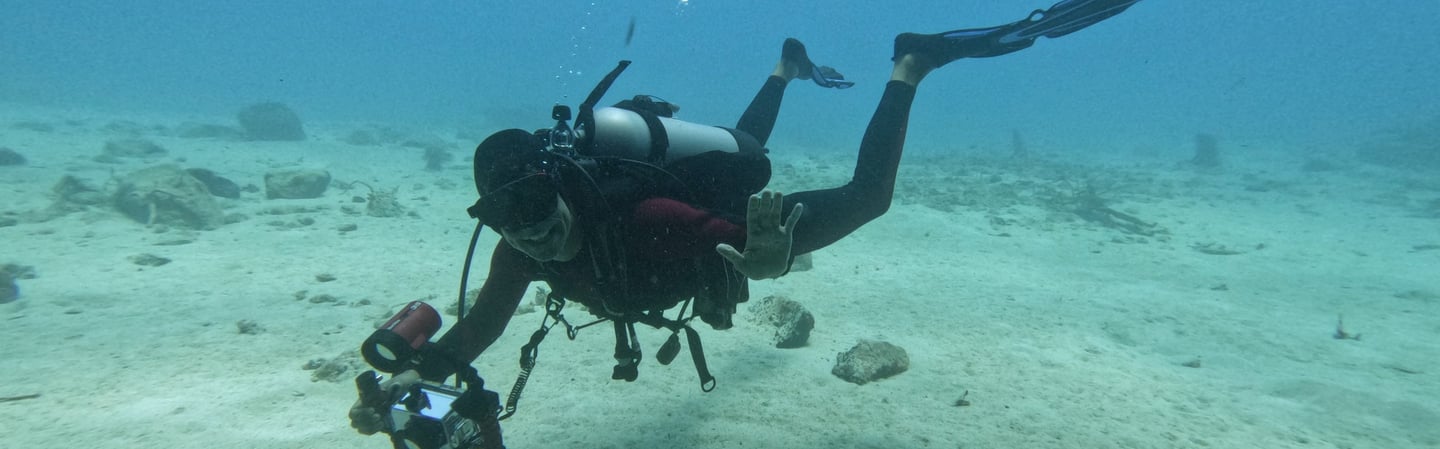
Direct lionfish removal on affected reefs by experienced divers
Field data recorded for each dive (number of individuals, size and weight)
Active collaboration with local authorities, fishers, and dive operators
Clear evidence-based outreach grounded in real results
Focused action to counter an invasive species
See why Lionfish control matters
Our Work Beyond the Dive
Protecting ecosystems also means working with people
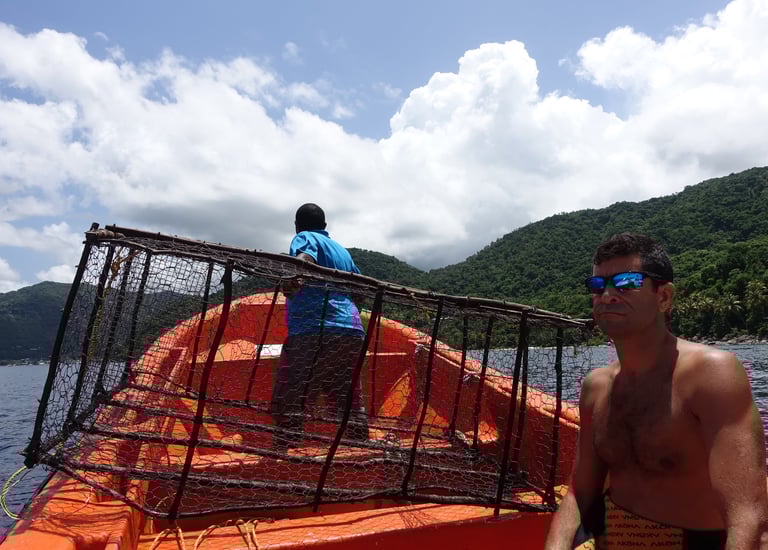
Collaborating Locally
In collaboration with local authorities, fishers, dive operators, and communities, we help ensure lionfish control efforts are practical, accepted, and effective on the ground.
Our Community Engagement
Contribution to Science & Management
TTT shares field data and firsthand observations with biologists and fisheries managers to support research, inform policy decisions, and strengthen long-term management strategies.
We work with those who live from and manage these ecosystems
We turn awareness into understanding through engagement
We turn field observations into usable knowledge
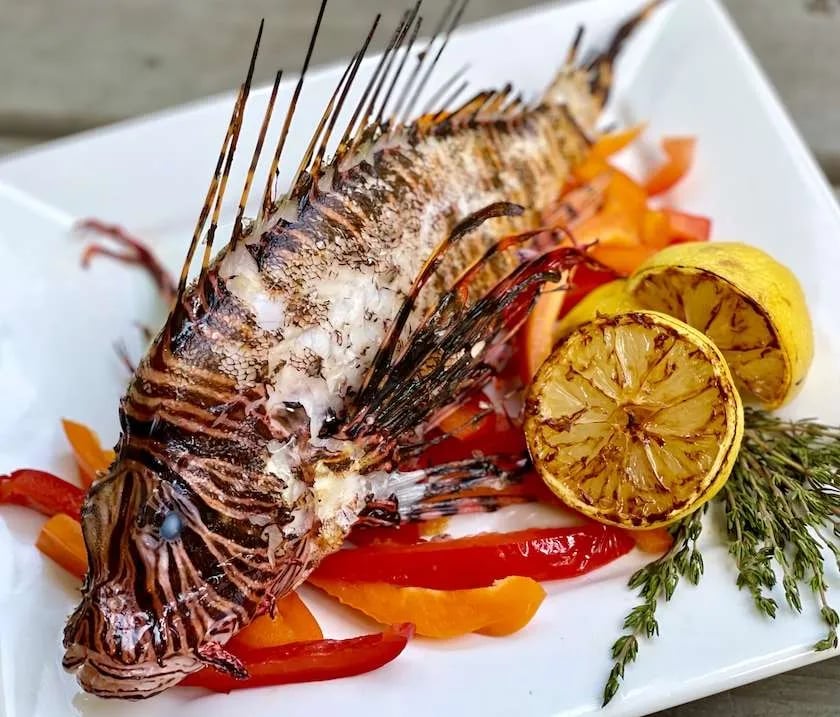
Clear, accessible discussions explaining the lionfish issue.
Outreach materials adapted to local audiences.
Safe handling and preparation guidance.
Tastings to promote lionfish as a sustainable food option.
Gallery
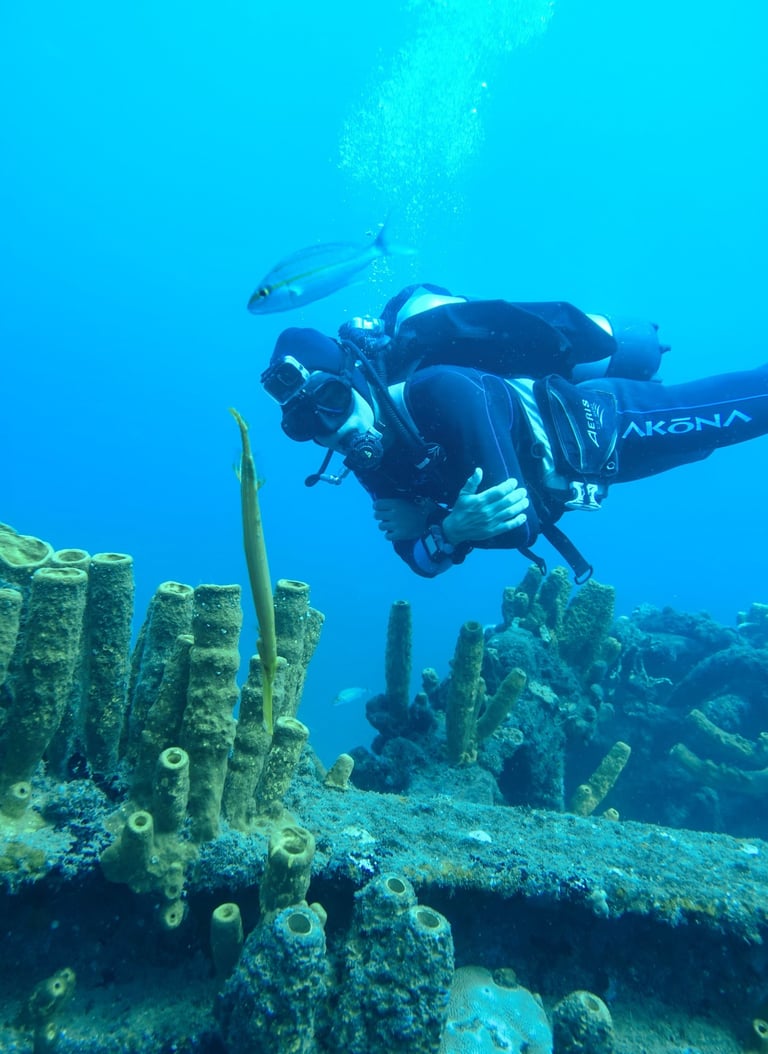
Documenting our work and the ecosystems we operate in.
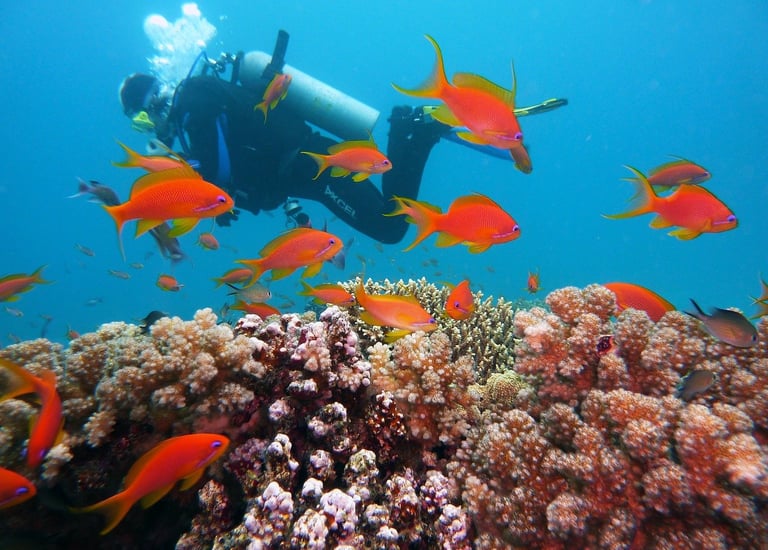
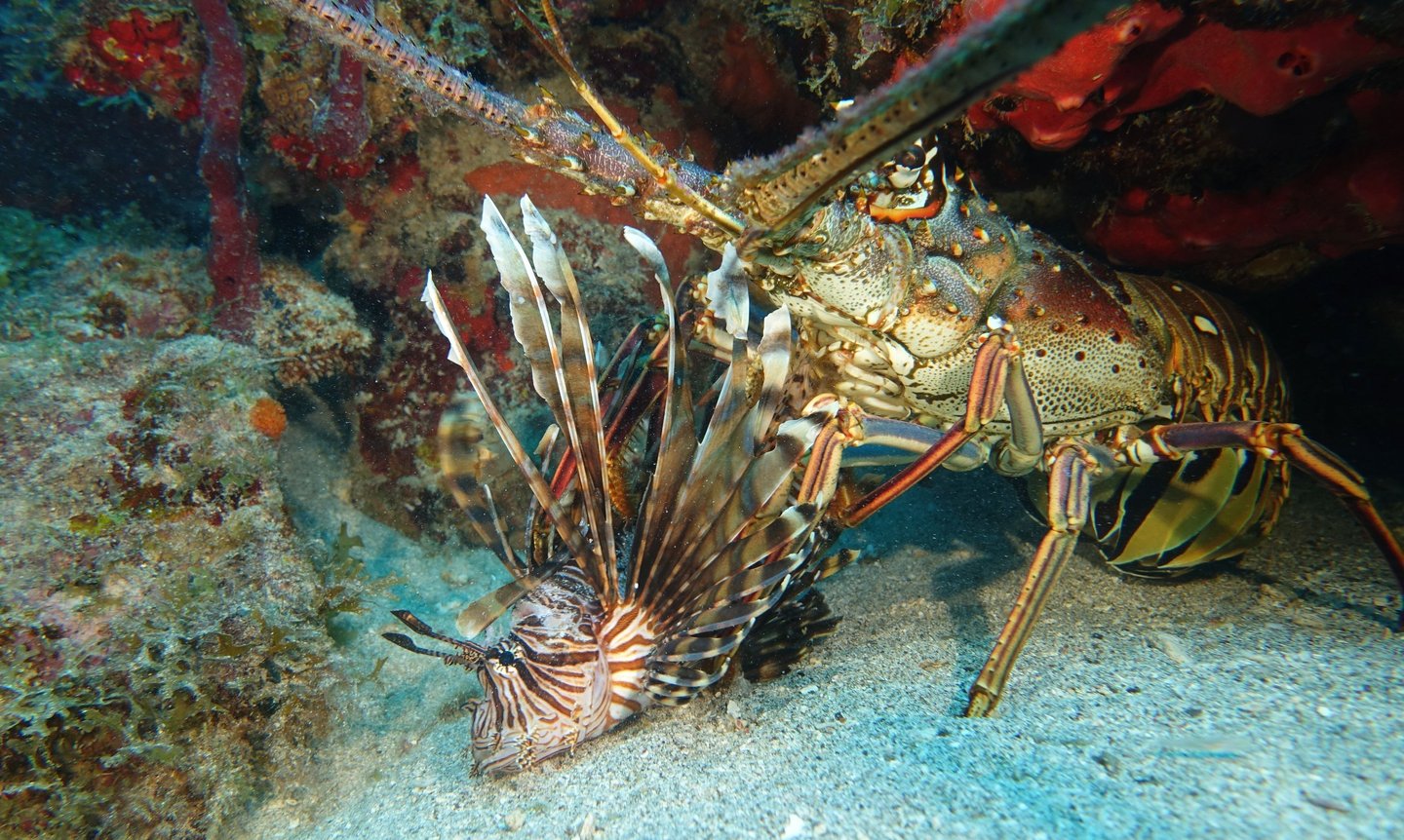
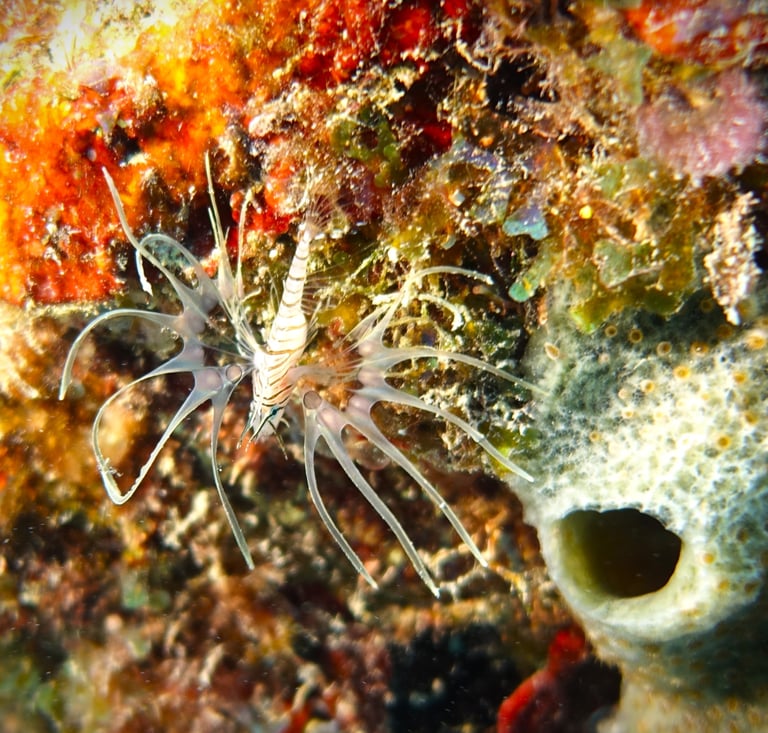
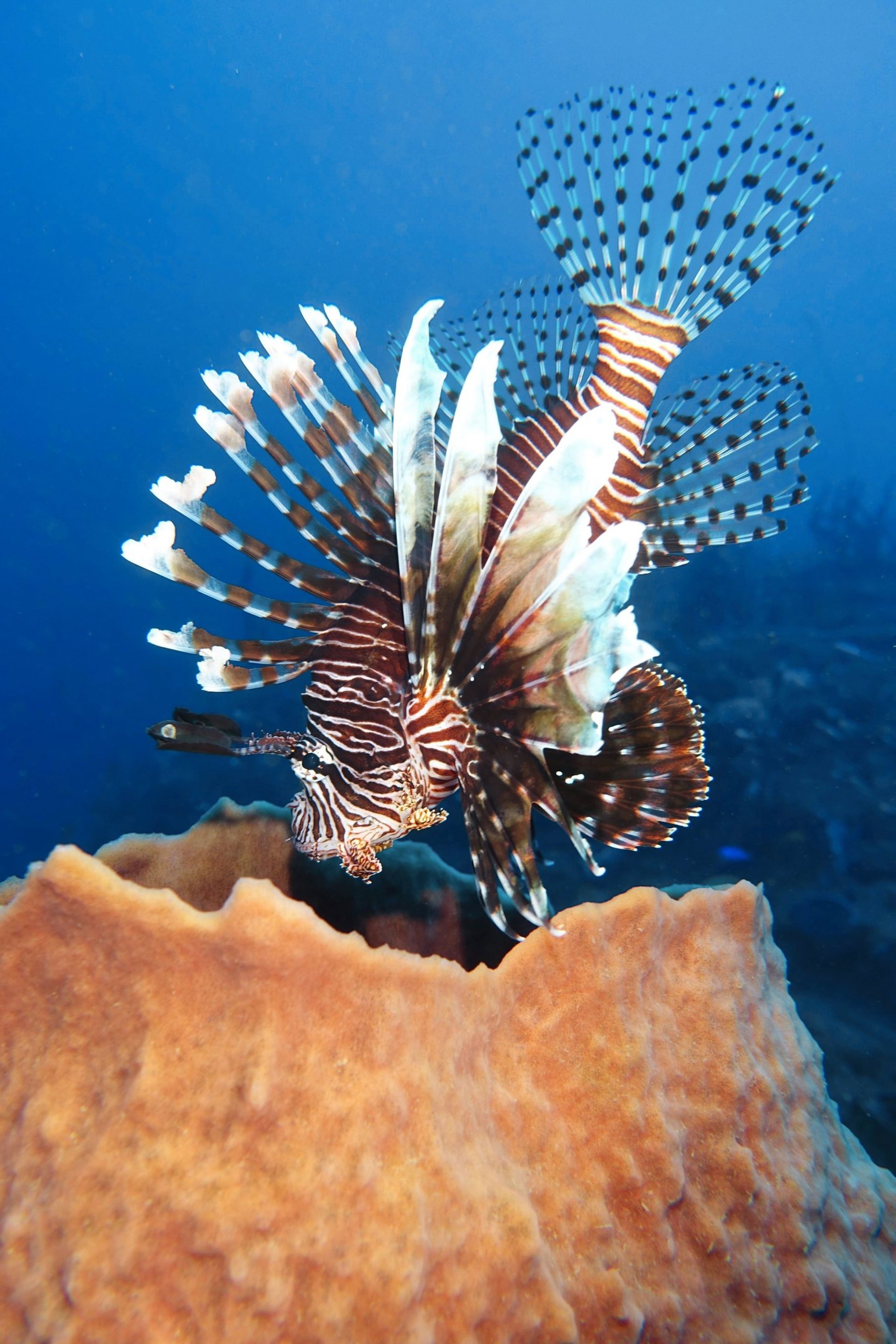
Lionfish are undeniably beautiful, with flowing fins and bold patterns. In the Caribbean, however, they are an invasive species with no natural predators. They multiply quickly and consume young reef fish, upsetting the balance of reef life.


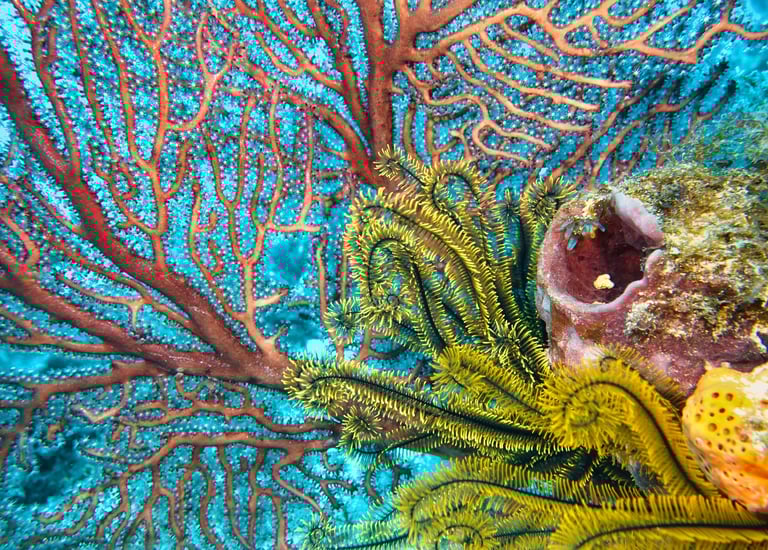
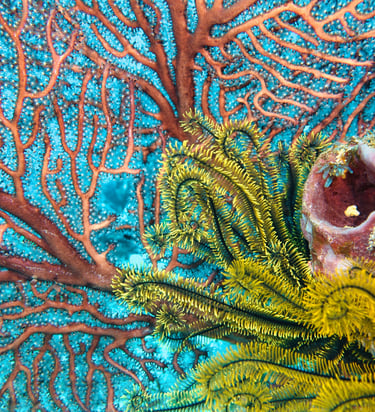
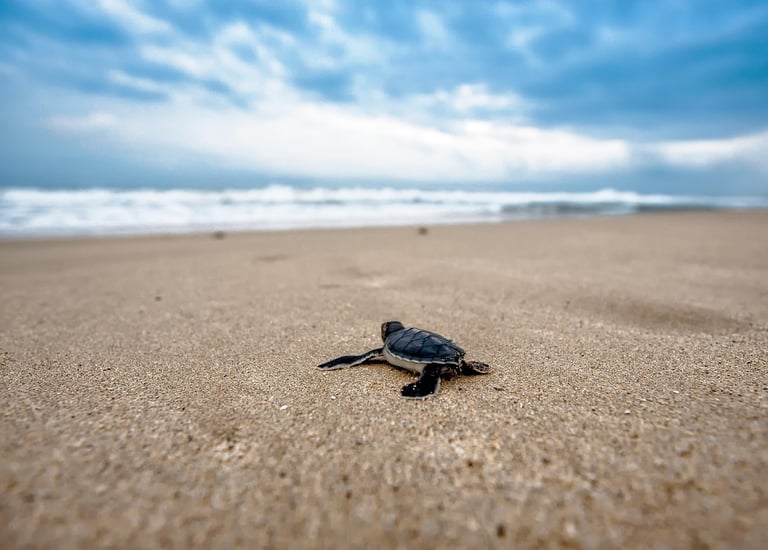
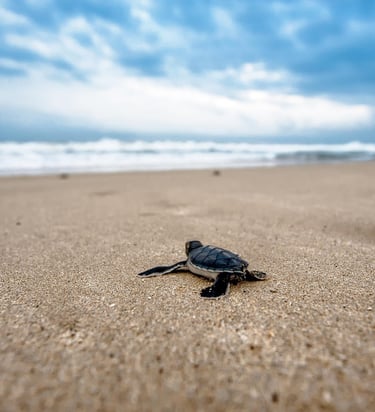
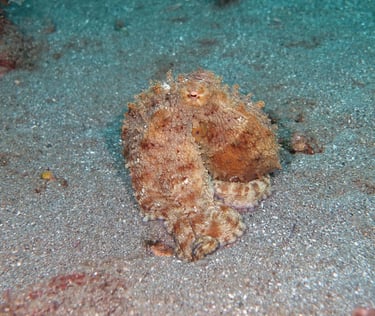
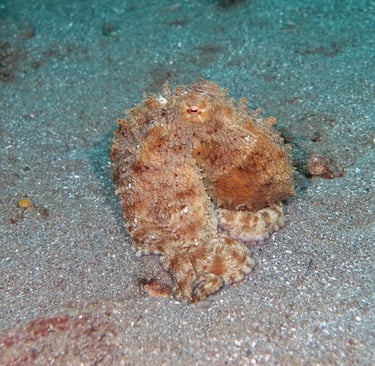
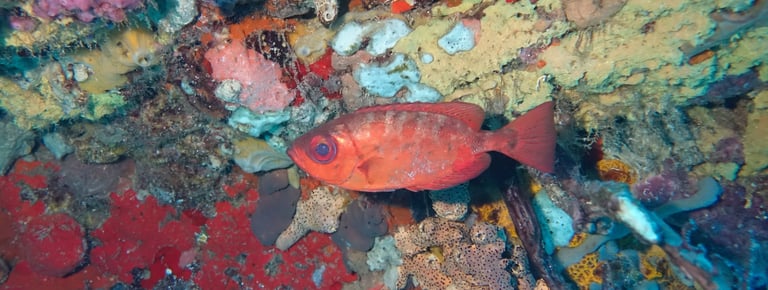
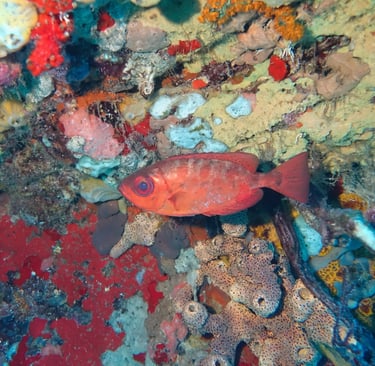
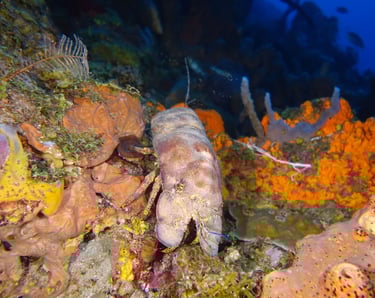
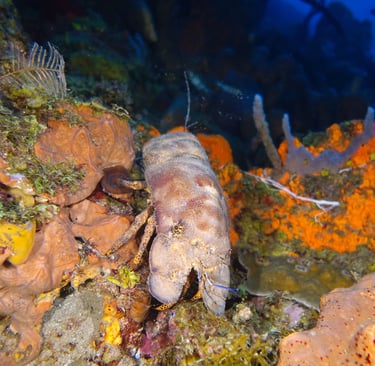
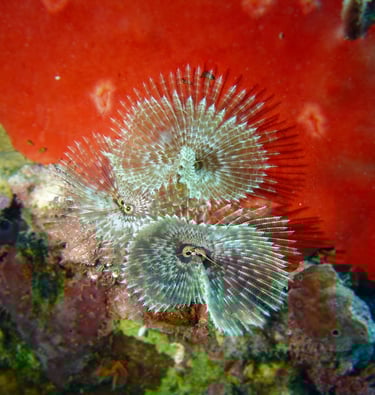
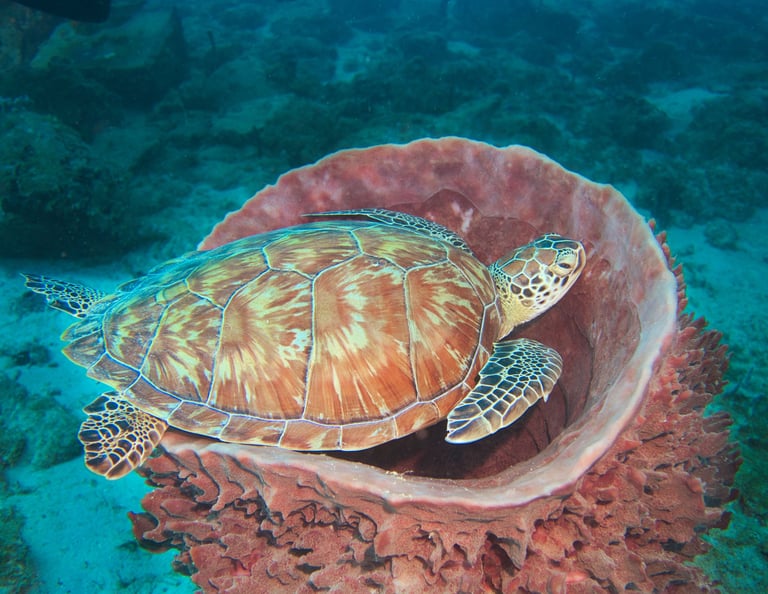
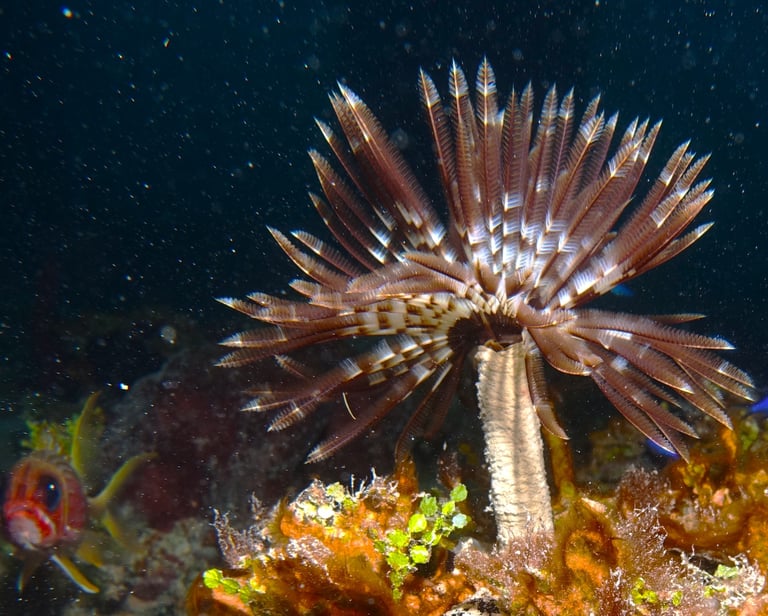
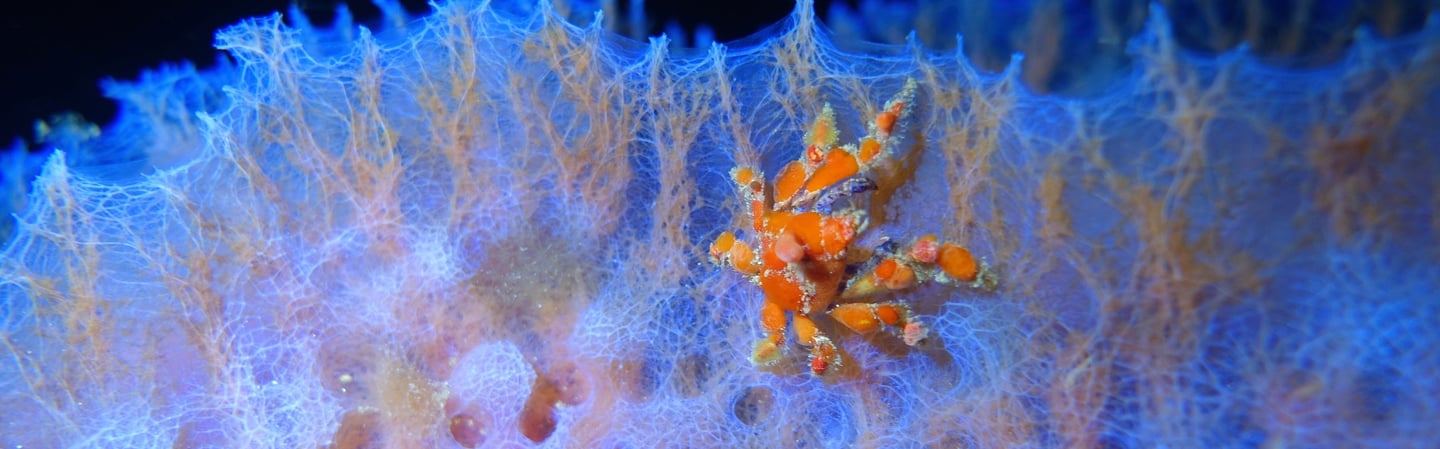
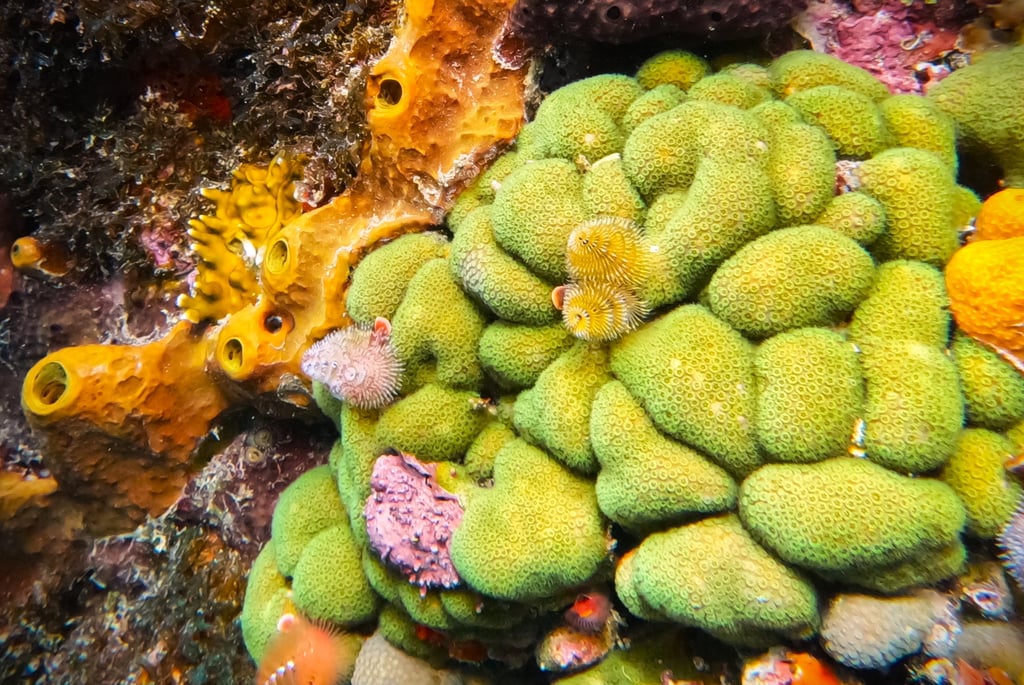
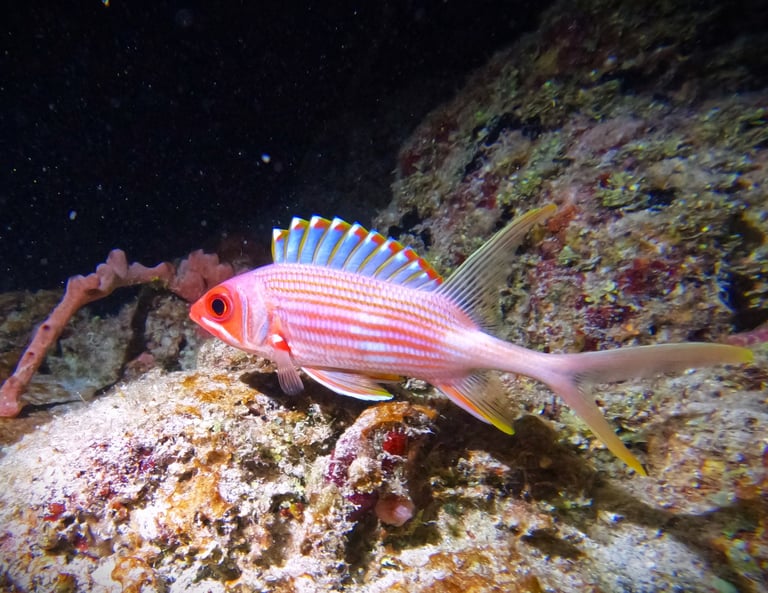
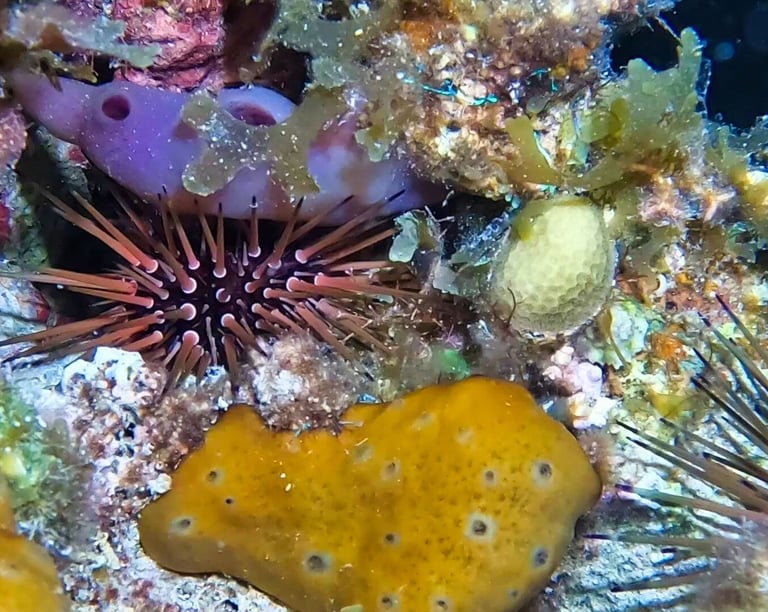
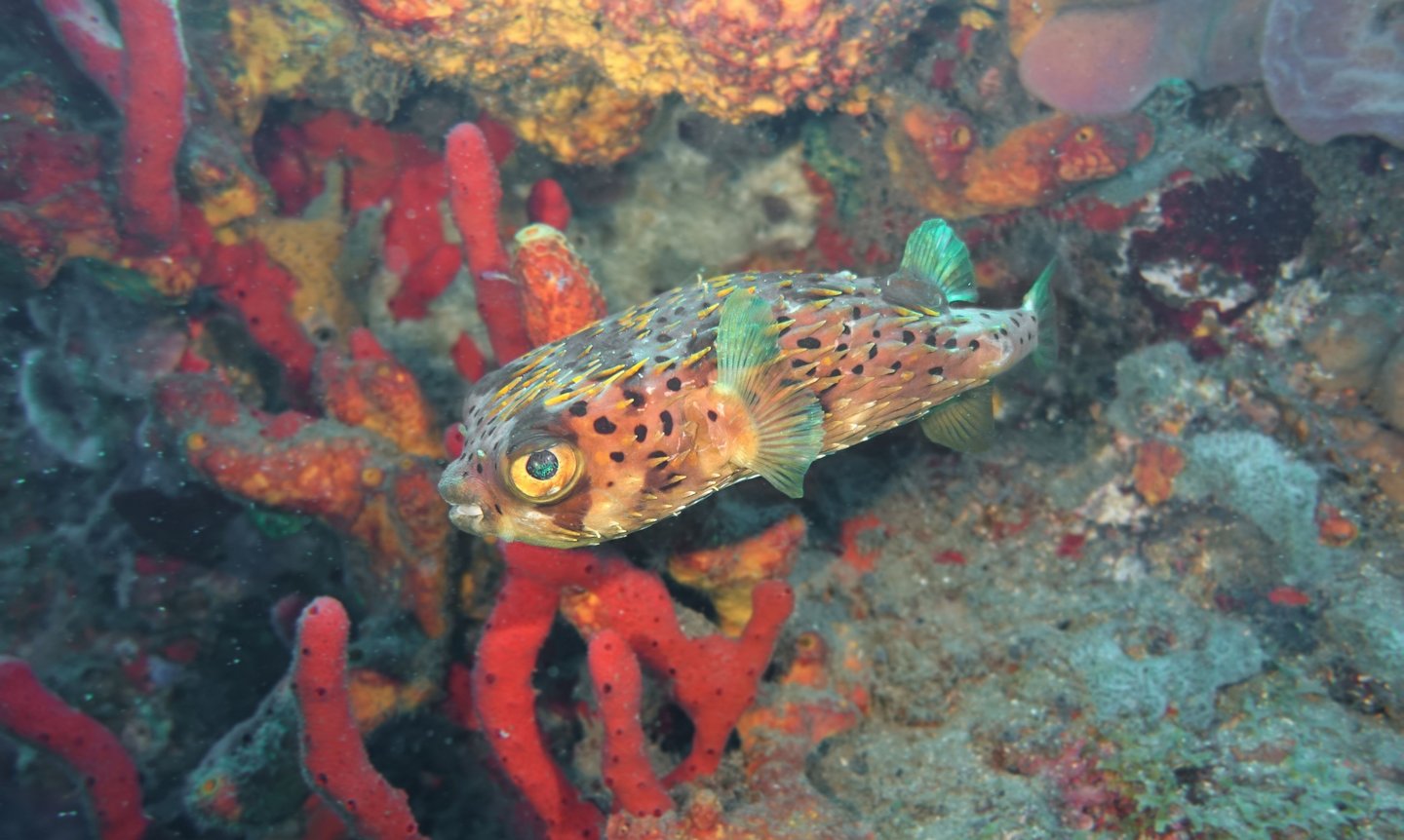
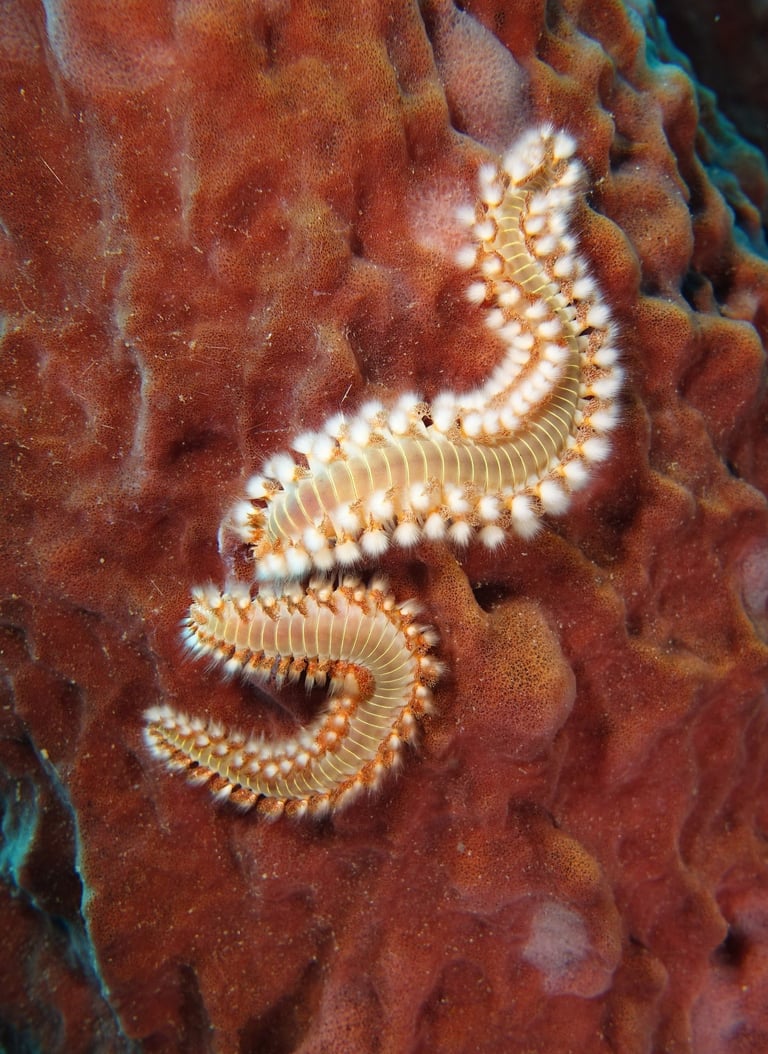
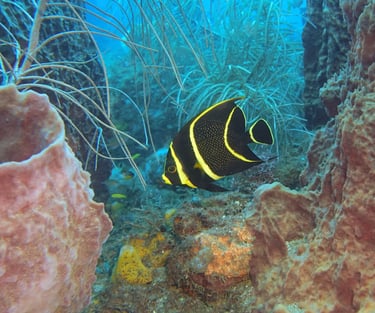
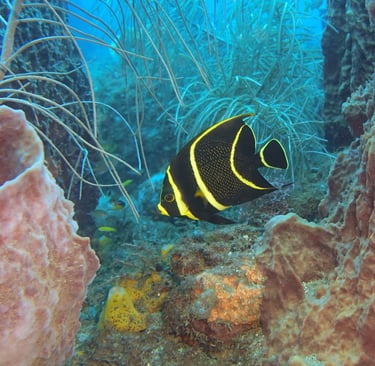
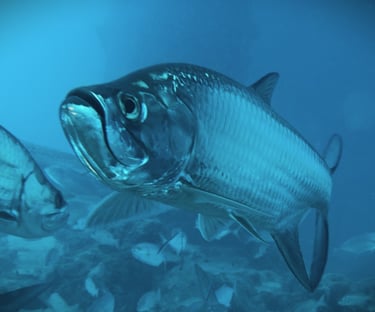
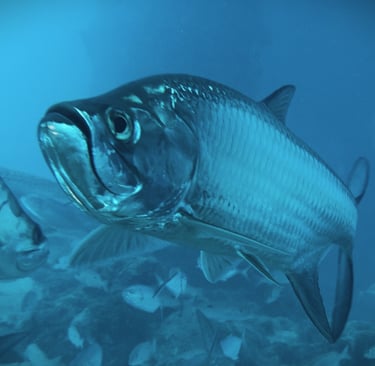
The images below capture moments from our dives and some of the marine life we encounter along the way.




Protecting Caribbean Reefs
TTT works to safeguard Caribbean marine ecosystems by actively controlling invasive lionfish and supporting the recovery of native reef species through local, hands-on action.
Our Mission
Why It Matters
We all depend on healthy oceans and ecosystems.
We act today to secure marine life for future generations.
Lionfish have no natural predators in the Caribbean, reproduce rapidly, and heavily consume juvenile reef fish. Left unchecked, they disrupt ecosystems and threaten fisheries and livelihoods.
What We Do
We turn commitment into measurable actions.
Direct lionfish removal on affected reefs by experienced divers
Field data recorded for each dive (number of individuals, size and weight)
Active collaboration with local authorities, fishers, and dive operators
Clear evidence-based outreach grounded in real results
Focused action to counter an invasive species.
See why Lionfish control matters
Our Work Beyond the Dive
Protecting ecosystems also means working with people.
Collaborating Locally
In collaboration with local authorities, fishers, dive operators, and communities, we help ensure lionfish control efforts are practical, accepted, and effective on the ground.
Our Community Engagement
Contribution to Science & Management
TTT shares field data and firsthand observations with biologists and fisheries managers to support research, inform policy decisions, and strengthen long-term management strategies.
We work with those who live from and manage these ecosystems.
We turn awareness into understanding through engagement.
We turn field observations into usable knowledge.
Clear, accessible discussions explaining the lionfish issue.
Outreach materials adapted to local audiences.
Safe handling and preparation guidance.
Tastings to promote lionfish as a sustainable food option.
Gallery
Documenting our work and the ecosystems we operate in.
Lionfish are undeniably beautiful, with flowing fins and bold patterns. In the Caribbean, however, they are an invasive species with no natural predators. They multiply quickly and consume young reef fish, upsetting the balance of reef life.
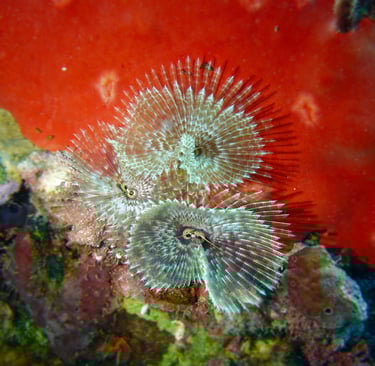
The images below capture moments from our dives and some of the marine life we encounter along the way.
© 2026 Turn The Tide Foundation Inc. (TTT),
A Registered non-profit organization
We work underwater to actively protect Caribbean reefs from invasive lionfish.
© 2026 Turn The Tide Foundation Inc. (TTT), A Registered non-profit organization